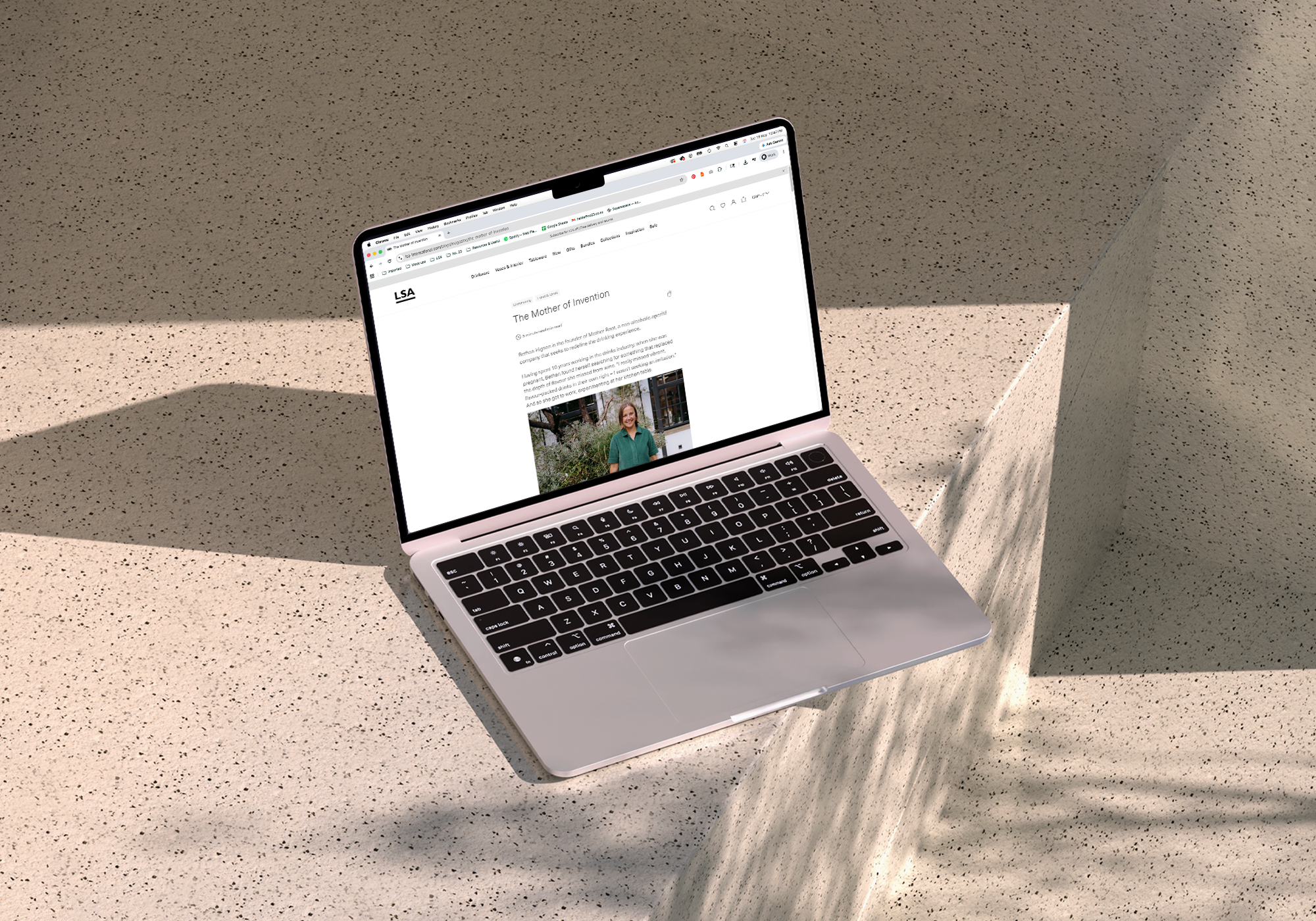
Furniture for the People
An excerpt from an interview with Henry Tadros, chairman of British furniture brands ercol and L.Ercolani, written by Hattie Locke for LSA Magazine. Jump to the article
No. 23 founder Hattie first began working for LSA in 2013. Since then, she has lead both the Content and Brand teams, before leaving the UK in 2020 and working remotely for LSA in a freelance capacity as a copywriter, content consultant and art director.
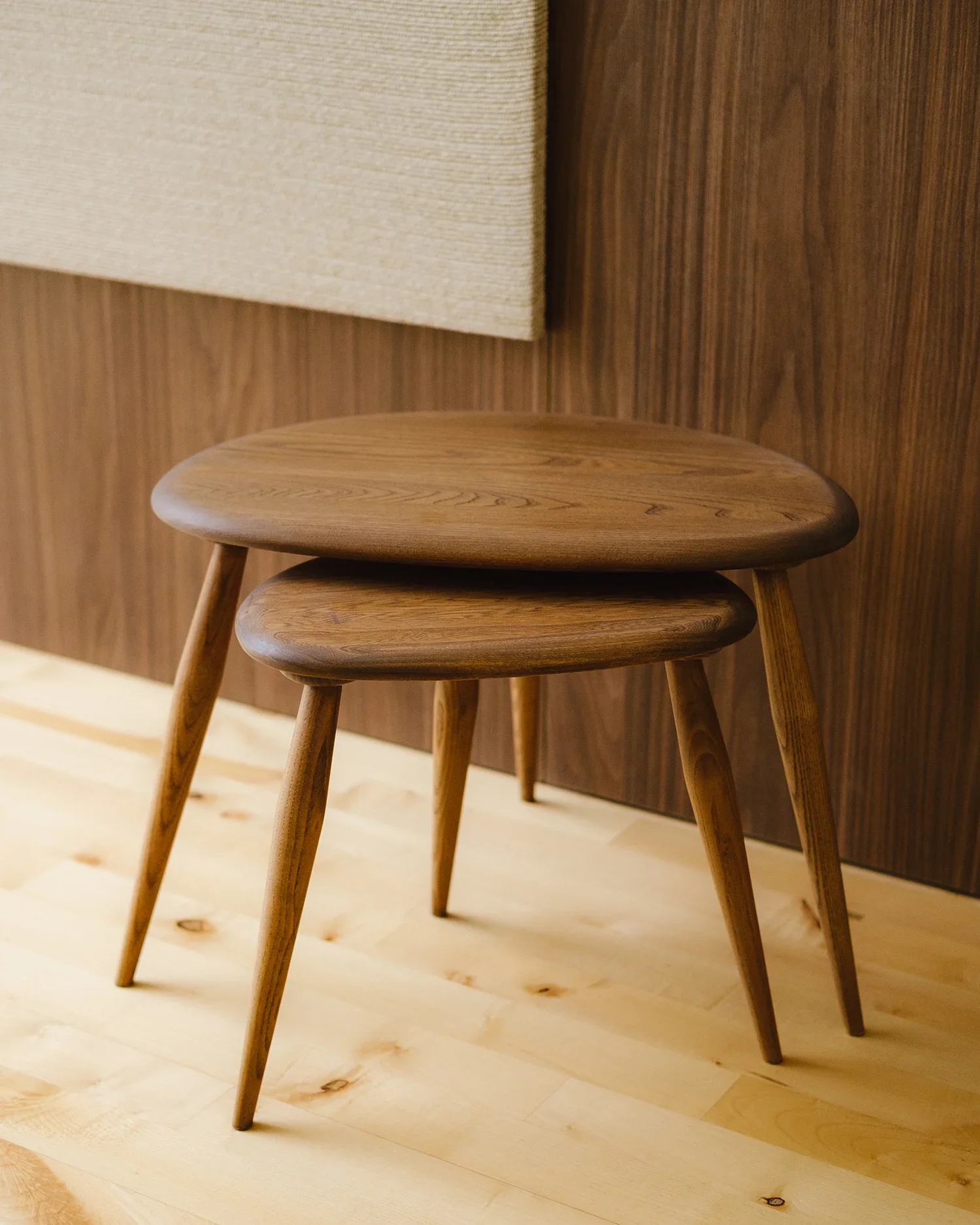
ercol furniture has been a quiet fixture in British homes for over a century. Synonymous with timeless design and solid timber craftsmanship, the company was founded in the 1920s by Italian designer, Lucian R Ercolani, on the principle of furniture being made by the people, for the people.
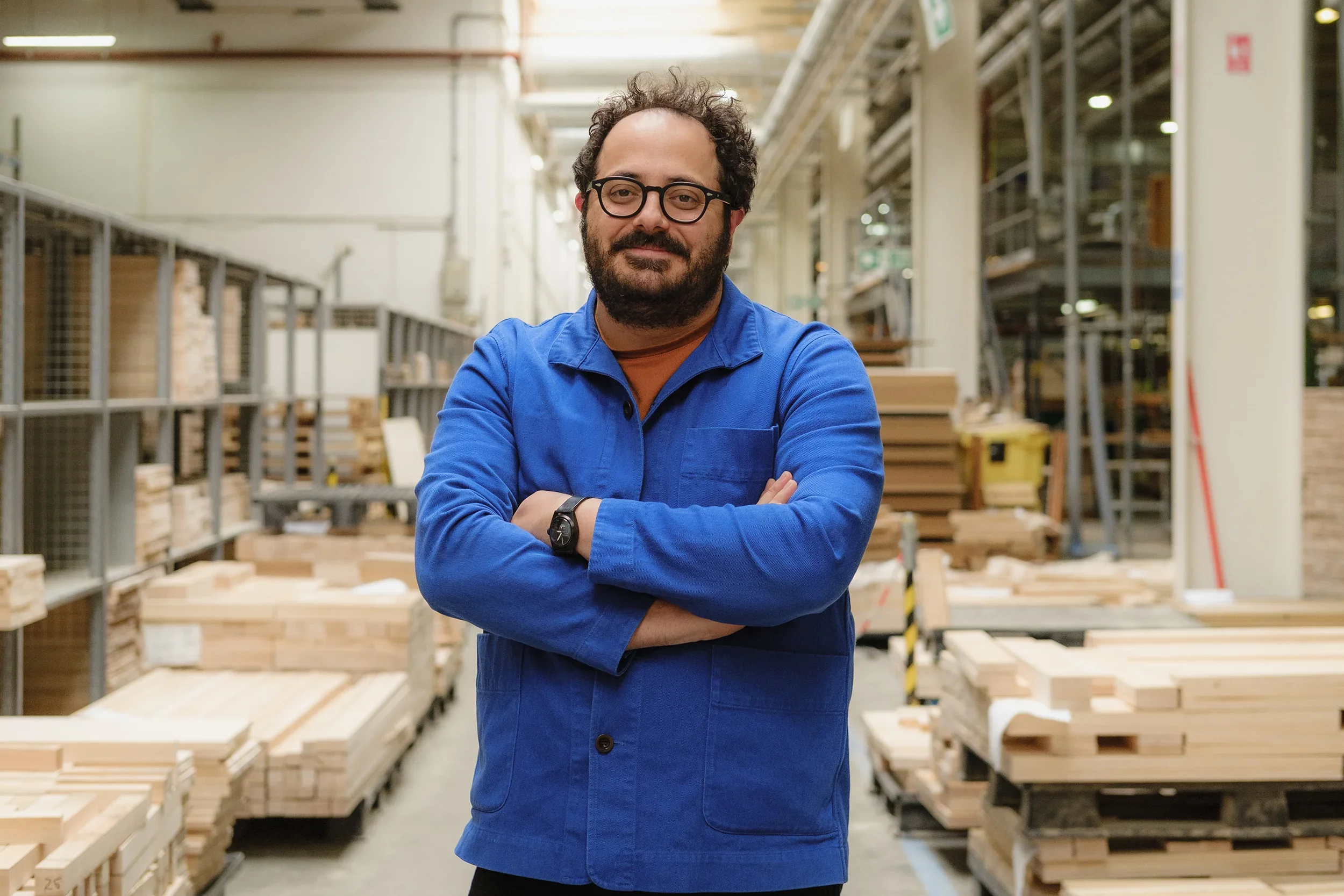
With a seminal legacy that spans over 100 years and countless iconic designs – among them the Butterfly chair and the Pebble nesting tables – ercol continues to look forward. We speak with Henry Tadros, great grandson of Lucian Ercolani and the fourth generation chairman of ercol, to explore the brand's future.
Can you begin with a potted history of ercol? How did the company begin?
It was started by my great grandfather, an Italian immigrant whose family moved to the UK in the 1890s. He worked for the Salvation Army as a carpenter, then went to night school to learn furniture design. In his early thirties in 1920, he had quite a moral viewpoint: post-First World War he felt there was disruption in people's lives and wanted to give meaningful employment.
He visited a Shaker Furniture museum in America, and I think that, coupled with what he felt during the war, was really the bedrock of how he changed his designs into what we're now known for – the mid-century pieces everyone associates with ercol.
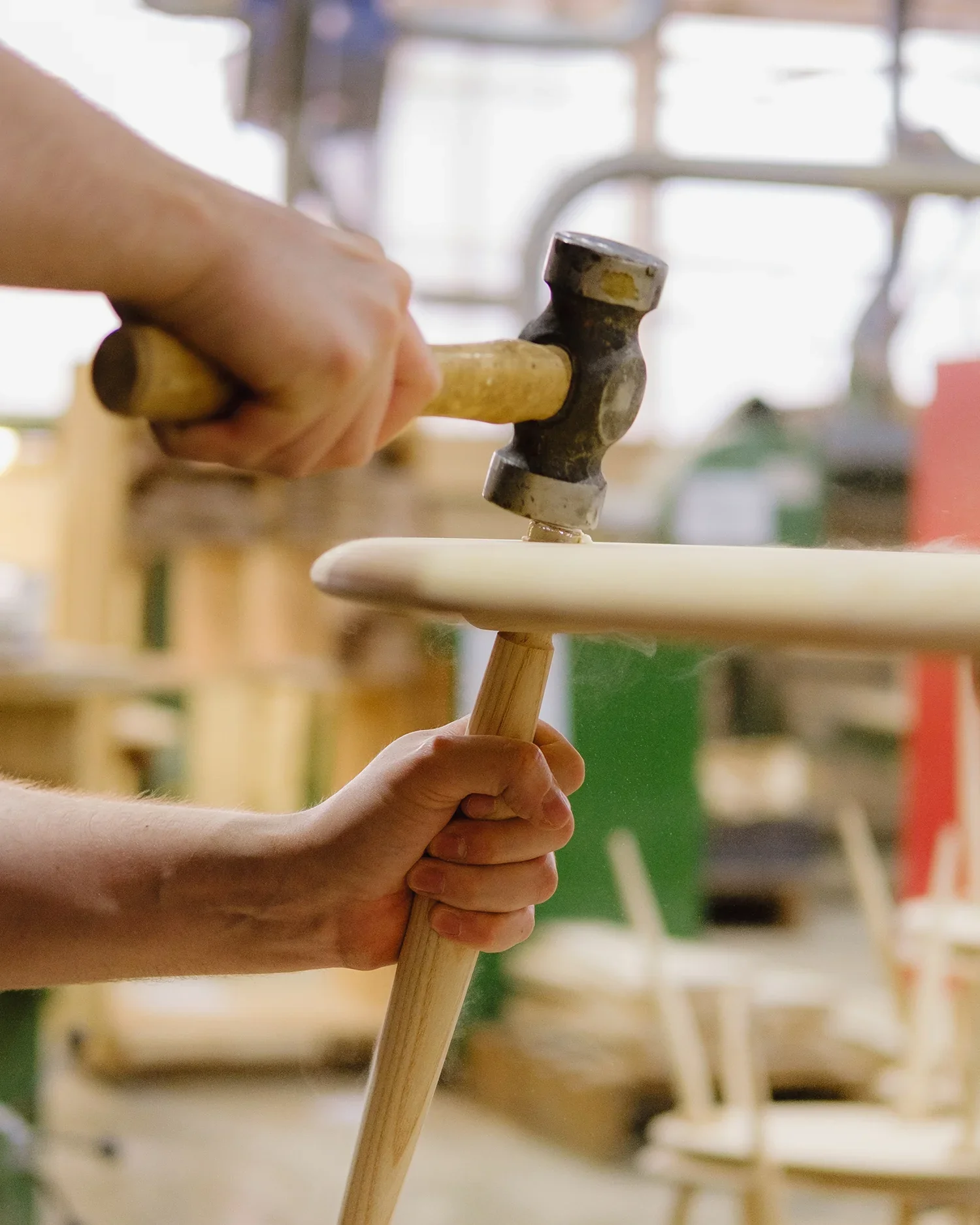
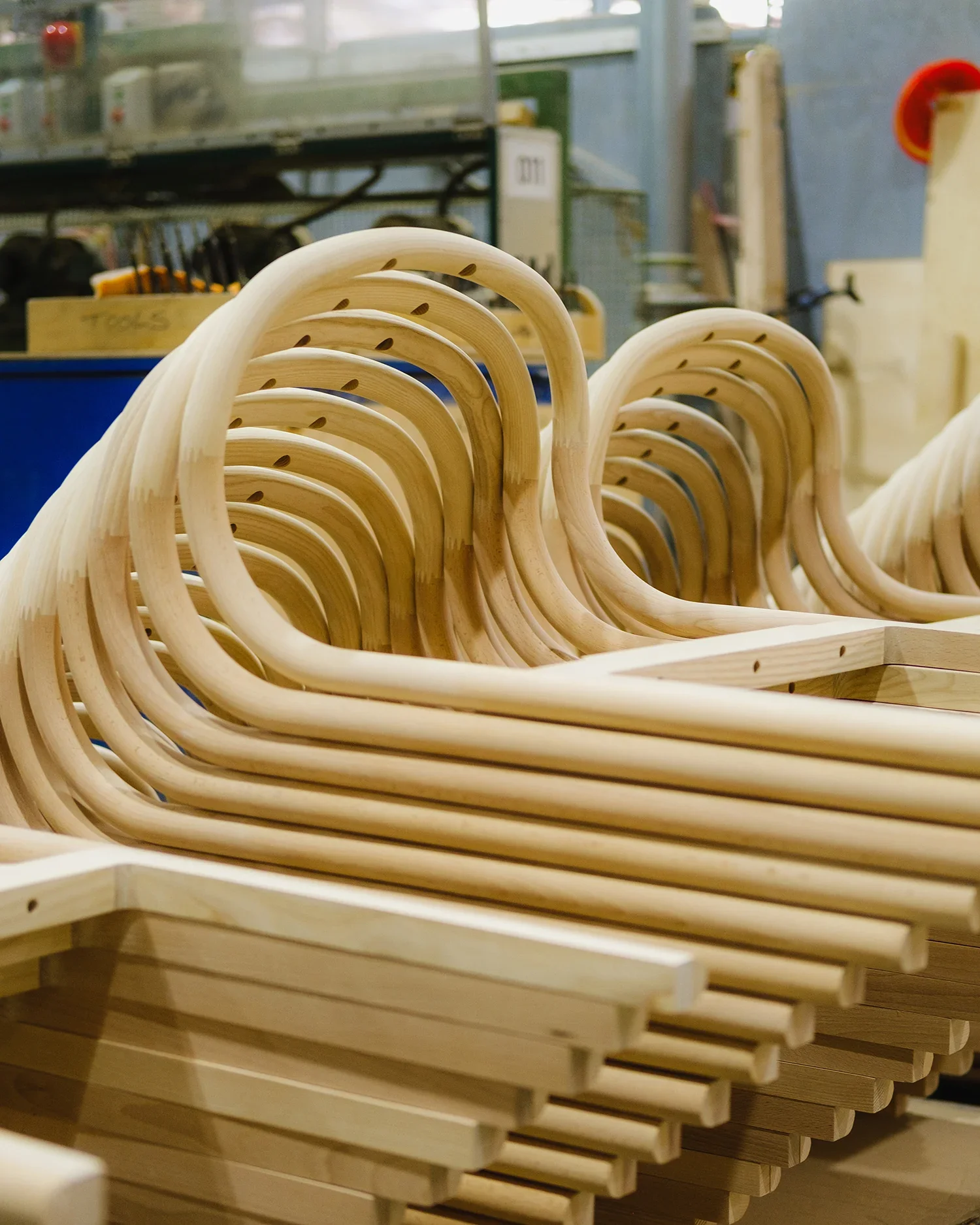
In the 1940s we weren't requisitioned by the government. We kept control of our factory, and Lucian understood that post-war there was going to be a huge need for furniture, coupled with timber rationing. He worked out how to steam bend timber at mass scale – that was the key technical innovation that shaped everything that followed.
The Windsor Collection, the Butterfly Chair and Stacking Chair were all what Lucian felt was furniture for the time, for the people today – they were what furniture should be in people's homes.
At the end of the war, there was a utility trade movement. We won the tender to make 100,000 4A kitchen chairs – mass production on steroids, which set us up as a company for the next 70-80 years. After the kitchen chair, Lucian designed the Windsor collection, the Butterfly chair, the Stacking chair – furniture for the people, what furniture should be like in people's homes.
It sounds like it started with quite a sense of social responsibility. Is that an ethos that still runs through the business today?
I would hope so. He was, even back in the '20s and '30s, very pro union, pro giving his employees a voice and good employment. Today, we're very much the same family business – I'm the fourth generation.
I always want to make furniture that is honest and is beautiful but that has a purpose as well. We've had plenty of opportunities to sell or change the way we do things, but we haven't and we're still here.
Read the full article here.
Photography by Euan Barker
ercol.com
Henry Tadros, great grandson of Lucian Ercolani and the fourth generation chairman of ercol
Services & Deliverables
Content
Long-Form Copywriting
Interview
Key Outcomes
-
Writing that adds depth to an otherwise commercial space.
An ecommerce site is, by nature, a transactional space. Long-form content changes that dynamic — giving the brand room to tell stories, share perspectives, and build a genuine connection with its audience beyond the product page.
LSA was looking to profile likeminded individuals working in complementary fields, who share the same values. In this case, ercol is a heritage british brand rooted in timeless design and exceptional craftsmanship: an approach central to the design and creation of LSA products themselves. By finding and drawing out the narrative thread that connects the subject to the wider brand story, the content is not only feels relevant and natural, but is also engaging to LSA’s core audience.
-
Maintaining a consistent, recognisable brand voice.
Every piece of content published under a brand's name shapes how its audience perceives it. For LSA, this meant ensuring tone, language, and perspective were consistent with existing articles, interviews, and features — maintaining the brand's distinct editorial identity and keeping the content feeling cohesive across the site.
The result is content that feels authentic rather than commissioned — fitting naturally within LSA's ecosystem, and reflecting the brand's values without stating them directly.
-
Reliable, considered copywriting, delivered to meet your specifications.
Our copywriter arrived prepared — with considered questions, a clear editorial angle, and the ability to naturally guide the conversation.
This reduced the time burden on the subject, minimised back-and-forth in the editing process, and ensured the final piece required minimal revision. LSA received polished, publish-ready content without the drawn-out process that self-managed content often involves.
Crafted with distribution in mind, the piece was structured to stretch across the entire marketing mix — social captions, newsletter features, pull quotes, and campaign copy. A single well-written article, maximising its value long after it's published.