Frequently Asked Questions
-
We offer end-to-end brand design services for Auckland and New Zealand businesses, including brand strategy, visual identity design, rebrand planning, custom digital design, and brand collateral execution. We help emerging startups launch and established companies scale with cohesive, market-ready brand identity systems.
Brand Strategy & Positioning— Market research, target audience profiling, competitor positioning, brand messaging, core values, and tone-of-voice frameworks.
Visual Identity Design — Primary logos and submarks, color palette architecture, typography, iconography, and comprehensive brand guidelines books.
Rebranding & Brand Evolution — Strategic audits, visual modernisation, and rollout strategies for established businesses repositioning in the market.
Digital & Web Design — UI/UX design, custom Squarespace website design, digital design assets, and social media template suites.
Packaging & Print Collateral —Environmental graphics, signage, print collateral, brand stationery, business cards, and marketing materials.
Templates — We can build custom, user-friendly templates that empower your team to create professional content and consistent materials — without a designer. These may include:
Powerpoint Templates — Word Templates — Email Signature Templates — Campaign Creative Templates — Email Templates — Instagram Templates — Print & Catalogue Templates — Signage Templates — Marketing Collateral Templates — Brand Stationery Templates — Slide Deck Templates — Document Templates — Website Template
Messaging & Copywriting — Good copy turns a browser into a buyer, a visitor into a client, and a business into a brand people remember.
-
No. 23 is an independent studio that provides streamlined, strategy-led brand solutions.
You’ll work directly with the founder, Hattie Locke, a senior creative generalist with 15+ years working across brand, design and marketing teams in NZ and the UK.
Better value — Senior-level expertise shouldn't be reserved for businesses with agency budgets. Low overheads mean more accessible pricing that doesn’t compromise on the quality of thinking or execution.
One point of contact — No handoffs to account managers with things getting lost in translation. A single point of contact means communication is direct, clear, and always moving forward.
Versatility — From branding and websites to marketing content and beyond, everything is delivered under one roof. No passing from agency to agency.
Speed — A small studio is more nimble. Decisions happen faster and work moves quicker.
Quality & consistency — A continuous, cohesive level of understanding, care, and execution from the first brief to the final delivery.
-
In Auckland, full commercial brand design for small-to-medium businesses typically ranges between $5,000 and $12,000+ NZD, depending on scope.
Basic identity packages start around $1,500, while comprehensive strategic rebranding, including market positioning, visual systems, bespoke templates and brand guidelines, begin from $8,000.
What drives the cost?
Brand Strategy: Brand DNA, competitor research, positioning and messaging frameworks.
Visual Identity Deliverables: Logo suite, color system, typography, and visual assets.
Brand Guidelines: Comprehensive brand book for digital and print application.
Collateral: Packaging, signage, social templates, or web design assets.
Copywriting: Messaging framework and key texts for print or digital application.
-
A complete brand identity package includes brand strategy (positioning, messaging, tone of voice) and a complete visual system. This features primary and secondary logos, color palettes, custom typography selection, image direction, graphic elements, and a comprehensive Brand Guidelines document. A messaging framework and copywriting can also be provided as required, with key texts that can be used across touchpoints.
-
A custom branding project typically takes 4 to 8 weeks from initial discovery to final delivery. Smaller logo refreshes can take 2 to 3 weeks, while complex rebrand projects involving extensive market research, stakeholder workshops, and web design can span 10 to 12 weeks.
Typical Project Timeline:
Phase 1 (Weeks 1–2): Discovery workshop, market research, and strategic positioning.
Phase 2 (Weeks 3–4): Visual concepts, mood boards, and initial design direction.
Phase 3 (Weeks 5–6): Design refinements, application across collateral, and feedback.
Phase 4 (Weeks 7–8): Final asset export, guidelines creation, and handover.
Each phase allows time for client feedback and revisions, depending on scope, before moving on to the next phase.
-
A brand refresh updates your existing visual identity (modernising logos, tweaking colors, refining typography) without changing core positioning.
Primary Goal: Modernise look & feel
Strategy Level: Light review of current strategy
Core Changes: Refined logo, updated colors
Typical Timeline: 2–4 weeks
A rebrand is a complete overhaul of strategy, visual identity, messaging, and positioning, usually triggered by audience shifts, mergers, or strategic pivots.
Primary Goal: Shift market position or business model
Strategy Level: Full research & repositioning
Core Changes: New name, new logo, new messaging
Typical Timeline: 6–12 weeks
-
Upon final payment, full intellectual property (IP) and copyright ownership of all customised brand marks, logos, and design assets transfer entirely to the client. The studio retains non-exclusive rights to showcase the completed work in portfolios, case studies, and awards entries.
Client Rights: Full commercial usage, reproduction, and trademark application rights.
Studio Rights: Portfolio showcase and self-promotional display rights only.
Third-Party Rights: Font software licenses or stock photography licenses are transferred or registered under your business name.
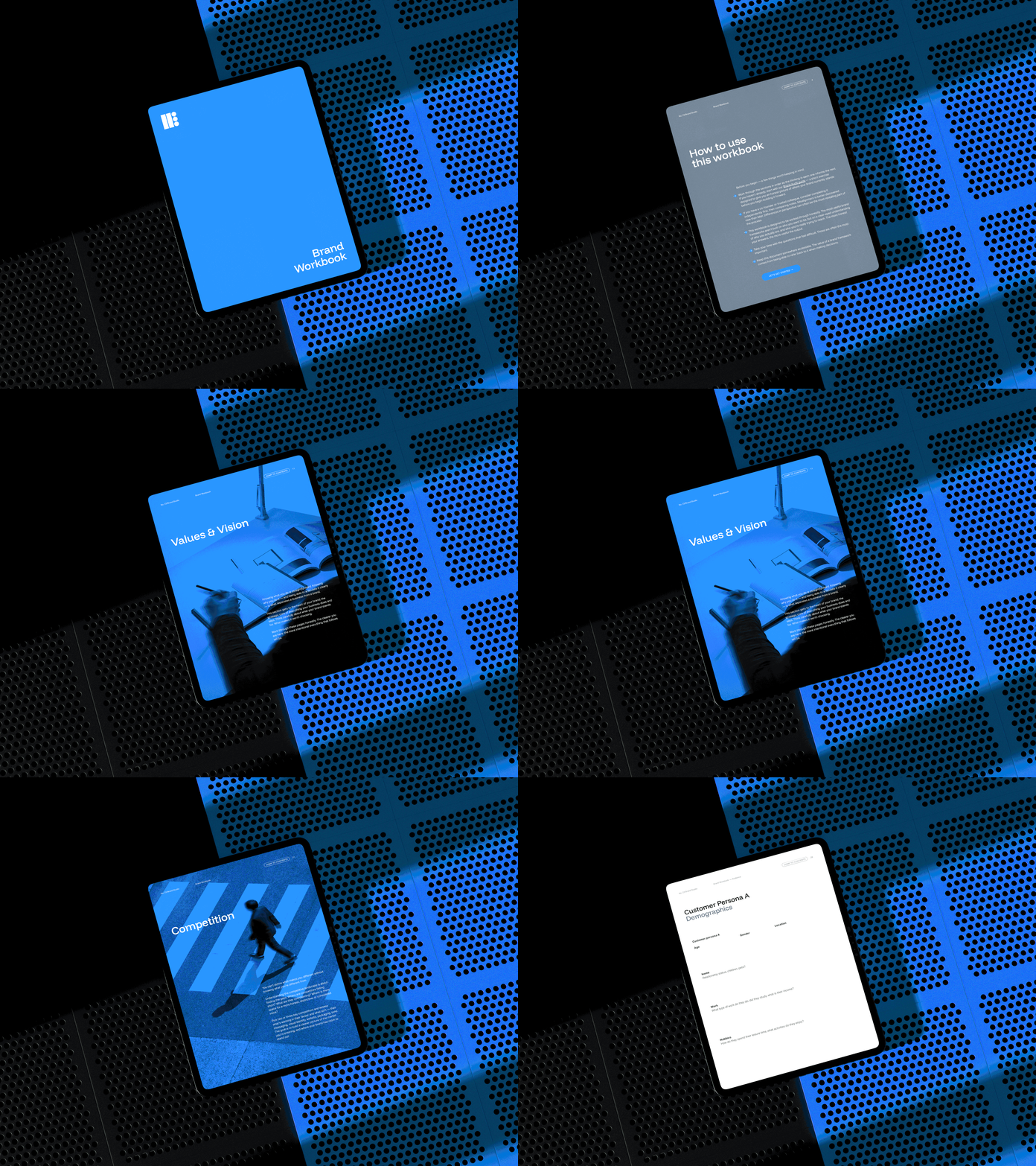
Get your free Brand Workbook
Download our free brand positioning workbook for founders and small business owners who want to get it right from the start. This PDF workbook takes you through the same discovery process we use with every client at No. 23 — from brand story and values through to audience, competition, and creative direction.